
Javelo
Coconut Sugar Manufacturers: A B2B Buyer’s Guide
Coconut sugar is now a common ingredient in beverages, bakery, snacks, and health-focused foods. Demand is growing, and so is the number of companies offering it. That’s why finding the right coconut sugar manufacturer is an important decision for B2B buyers, importers, and manufacturers. Choosing the wrong partner can mean inconsistent quality, delayed shipments, or failed audits in your market.
This guide explains what a coconut sugar manufacturer does and how it differs from a supplier or exporter. It also gives you nine checks and a list of red flags to use before you sign a contract.
What Does a Coconut Sugar Manufacturer Actually Do?
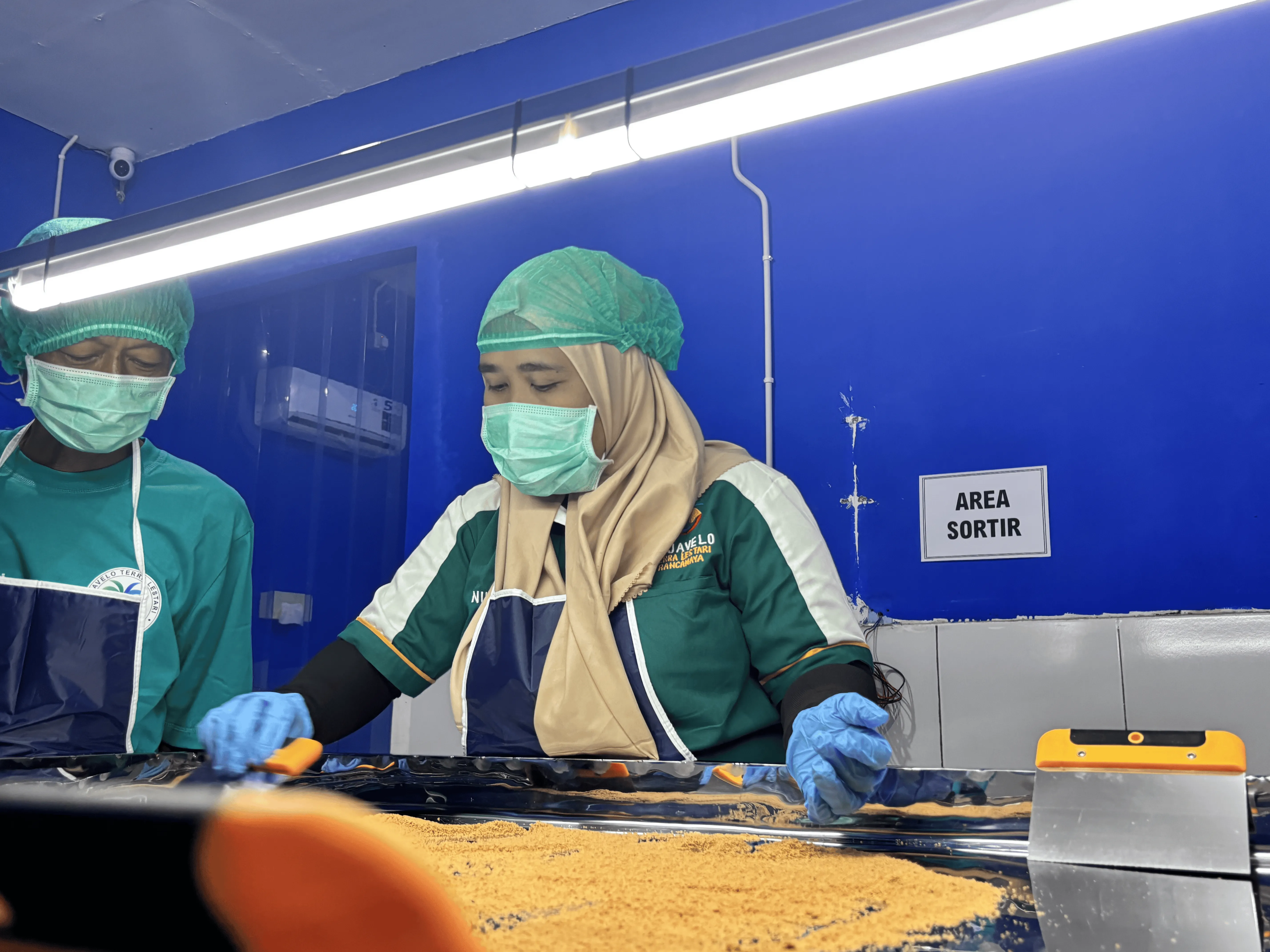
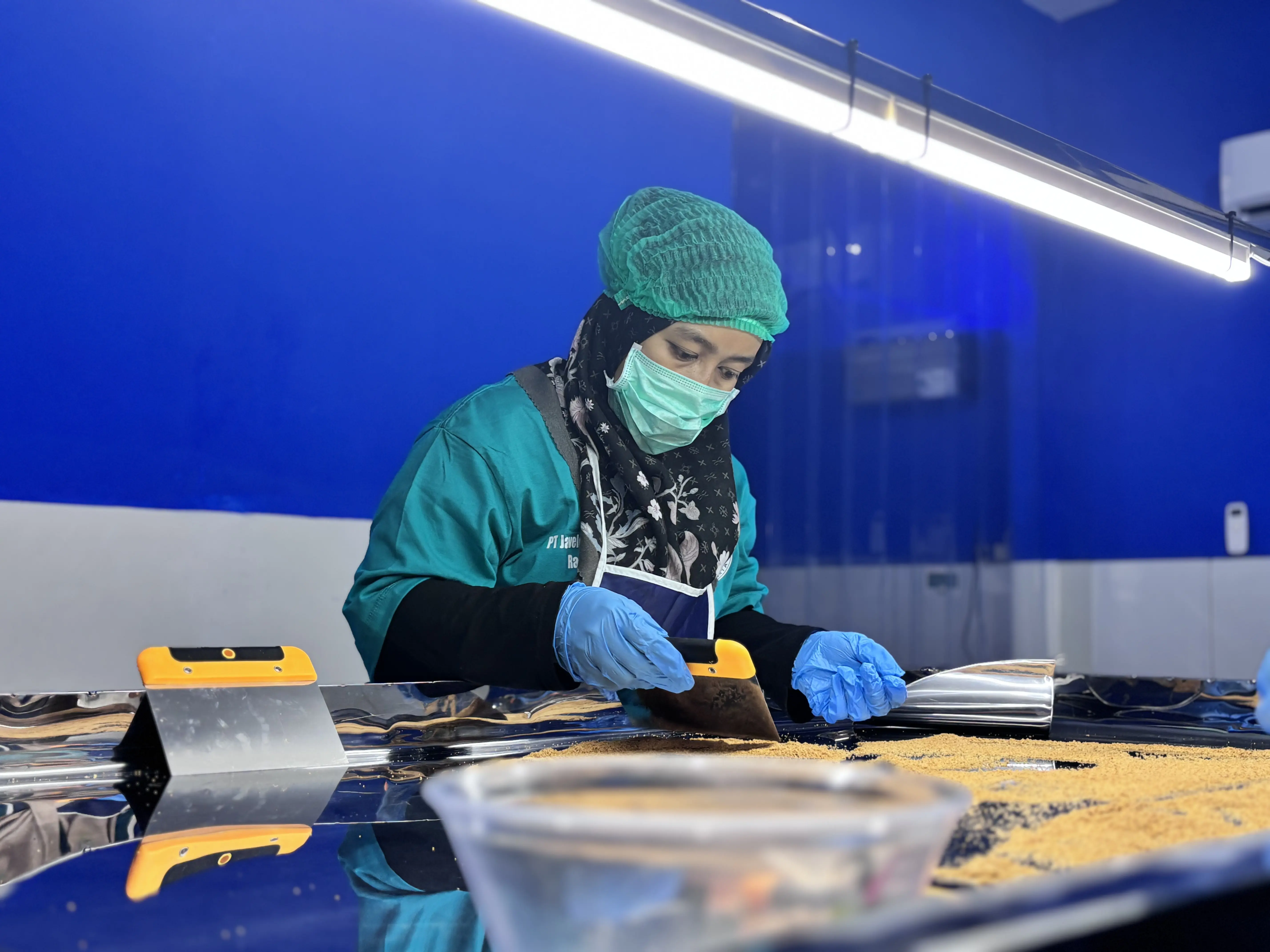
A coconut sugar manufacturer controls the process of turning raw coconut nectar into finished, packed sugar. The coconut sap is collected from coconut palm flowers by farmers. Depending on the facility, the manufacturing process may include raw material sourcing, sap collection, filtration, evaporation, drying, processing, quality control, packaging, and storage.
For B2B buyers, the main difference is that a manufacturer should have direct control over the production process and the facility where the product is made. Because the manufacturer owns the production steps, it can answer detailed questions about how the sugar was made, and it can adjust specifications such as granule size or packaging. This is why many food and beverage brands look for a direct coconut sugar manufacturer, not just a trading contact.
Manufacturer vs Supplier vs Exporter: What's the Difference?
The terms coconut sugar manufacturer, supplier, and exporter are often mixed up, but they represent different roles.
A manufacturer produces the coconut sugar at its own factory or facility or under its direct manufacturing control. This gives buyers a clearer connection to the production process.
A supplier may source coconut sugar from one or more manufacturers and sell it to another business. A supplier can still be reliable, but as B2B buyers should understand where the actual coconut sugar comes from.
While an exporter focuses on moving products from one country to another and handling the export process. An exporter may manufacture the product itself or purchase it from another manufacturer.
Role | What they do | What to know |
Manufacturer | Produces coconut sugar in their own facility | Direct control over process, quality, and specifications |
Supplier | Sells coconut sugar to buyers, but may not produce it | Can be a manufacturer or a trader who buys from others |
Exporter | Handles international shipping and export document | May or may not make the product |
A company may also operate across several roles. For example, a manufacturer can also produce, package, and export coconut sugar directly to international buyers.
9 Things to Check on How to Choose a Coconut Sugar Manufacturer
1. Direct Sourcing vs Multi-Layer Supply
The first thing to check is where the coconut sugar raw comes from. A manufacturer with direct relationship with local farmers or local sourcing partner may have good visibility into the origin and handling of the coconut sap. This gives fresher raw material, more consistent quality, and better price control.
While the multi-layer supply chain can make it more difficult to determine exactly where the raw material originated and how it was handled before reaching the manufacturing facility. Usually, the sugar passes through collectors, middlemen, and traders before reaching the factory. It also becomes very hard to trace and detect the contamination or mixing with other sugar.
As a buyer, you should ask about:
Where is the coconut sap sourced?
Do they work directly with farmers or sourcing partners?
Where is the coconut sugar product manufactured?
Can the raw material and finished product be traced by batch?
Can you provide information about the production facility?
The purpose is to understand the complete path from raw material to finished product.
2. Certifications That Actually Matter for Your Market
Different countries require different certificates. Focus on the ones you need and product positioning. For example, buyers looking for organic coconut sugar may require valid organic certification such as USDA Organic, EU Organic, Canada Organic, or Indonesia Organic.
Another example is if your target market doesn't need coconut sugar products from organic process, you may use natural coconut sugar.
Do not simply look for a list of certification logos or images on a manufacturer’s website. Ask for documentation to verify.
3. Product Quality
Consistent product quality is important for B2B buyers. Coconut sugar can vary in characteristics such as color, particle size, flavor, moisture content, and other specifications depending on the raw material and production process.
As a buyer, you can ask for a product specification sheet before deciding to buy in a large amount. You may want to evaluate:
Moisture content
Color and appearance
Taste and aroma
Granule or particle size
Heavy metals
Microbiological parameters
Shelf life
Other parameters relevant to your product
Then order samples to compare the actual product with the specification sheet before committing to a larger order.
4. Traceability System and Independent Lab Testing
Traceability means being able to follow a product back to its source. If a quality problem happens, a good system helps you find the cause quickly. A reliable system should ideally allow a manufacturer to connect a finished product with relevant production information, such as its production date, batch number, raw material source, and quality testing records.
It is also important to ask whether the manufacturer can provide a Certificate of Analysis (COA) or relevant laboratory reports for each batch or according to an agreed testing schedule.
For international B2B transactions, this documentation can be particularly useful when buyers need to verify product specifications before shipment or during quality audits.
5. Match With Your Need
Before choosing a coconut sugar supplier as your partner, make sure its capabilities match your requirements. For example, you may need:
Organic coconut sugar or natural coconut sugar
Powdered, granulated, or other formats
Specific mesh size
Bulk packaging
Retail-ready packaging
Custom formulation
Private label products
White label manufacturing
Specific documentation
Large volume production
Some manufacturers only sell standard sugar, while others also offer product development support. If you are building a new product, that extra support can save months of testing.
6. Production Capacity and Consistency
Capacity is not only about how many tons a factory can produce. For B2B buyers, consistency matters more. This is especially important for long-term contracts. If you sign a 12-month supply agreement, you need to be sure the manufacturer can handle your order volume, deliver the same quality in 12 as in month 1, keep producing when nectar supply can drop, and deliver on time.
Ask about their monthly capacity, their number of farmers, and how they manage seasonal changes. This becomes important because disruptions in supply can affect your own production.
7. Packaging and Private/White Label
Packaging requirements can different between B2B buyers. The distributor may require bulk packaging, while a customer brand may need retail-ready products. Some manufacturers can support private label or white label production, allowing buyers to sell coconut sugar under their own brand.
If you plan to launch a branded product, it is useful to work with a manufacturer that can support custom packaging.
8. Food Safety Compliance and Documentation Capability
A good manufacturer must run a strong food safety system. As a buyer, you need to make sure their food safety management certifications, such as HACCP, GMP, or similar. It is also important to ask about metal detection or metal trap systems in the production line, contamination control and cleaning procedures.
Depending on the buyer and market, relevant documents may include product specifications, COAs, certificates, test reports, and export documents.
9. Pricing, Contract and Payment Terms
Price is naturally an important consideration, but it should not be evaluated separately from product quality and supply reliability. Make sure the exporter gives you detailed quotations that include shipping, packaging, certifications cost, or other documents cost.
A very low price is often a warning sign. It may mean mixed sugar, weak quality control, or hidden costs later. A fair price from a transparent manufacturer usually costs less in the long term. Some questions you need to ask, such as:
Is the price fixed for a period, or does it change often?
How are their contract terms (quality claims, delays, and replacement rules)?
Payment terms, is it deposit, balance timing, and payment method
FOB, CIF, or other terms, and what each one covers
Red Flags to Watch For When Vetting a Manufacturer
Before deciding to partner with a coconut sugar manufacturer, pay attention to signs that may indicate insufficient transparency. Be careful if you see any of these:
They refuse a facility visit or audit.
Certificates cannot be verified. Or the name or scope does not match.
Prices are far below the market. This can point to cheap, mixed sources.
No batch records or COA.
Slow communication.
Samples differ from bulk shipments. Always compare your first order against the approved sample.
Pressure to pay fully in advance. Especially with no track record or references.
Inability to explain lead times
Pricing that changes significantly without clear reasons
If you notice one or more of these signs, pause and ask more questions before moving forward.
How Javelo Meets These Standards
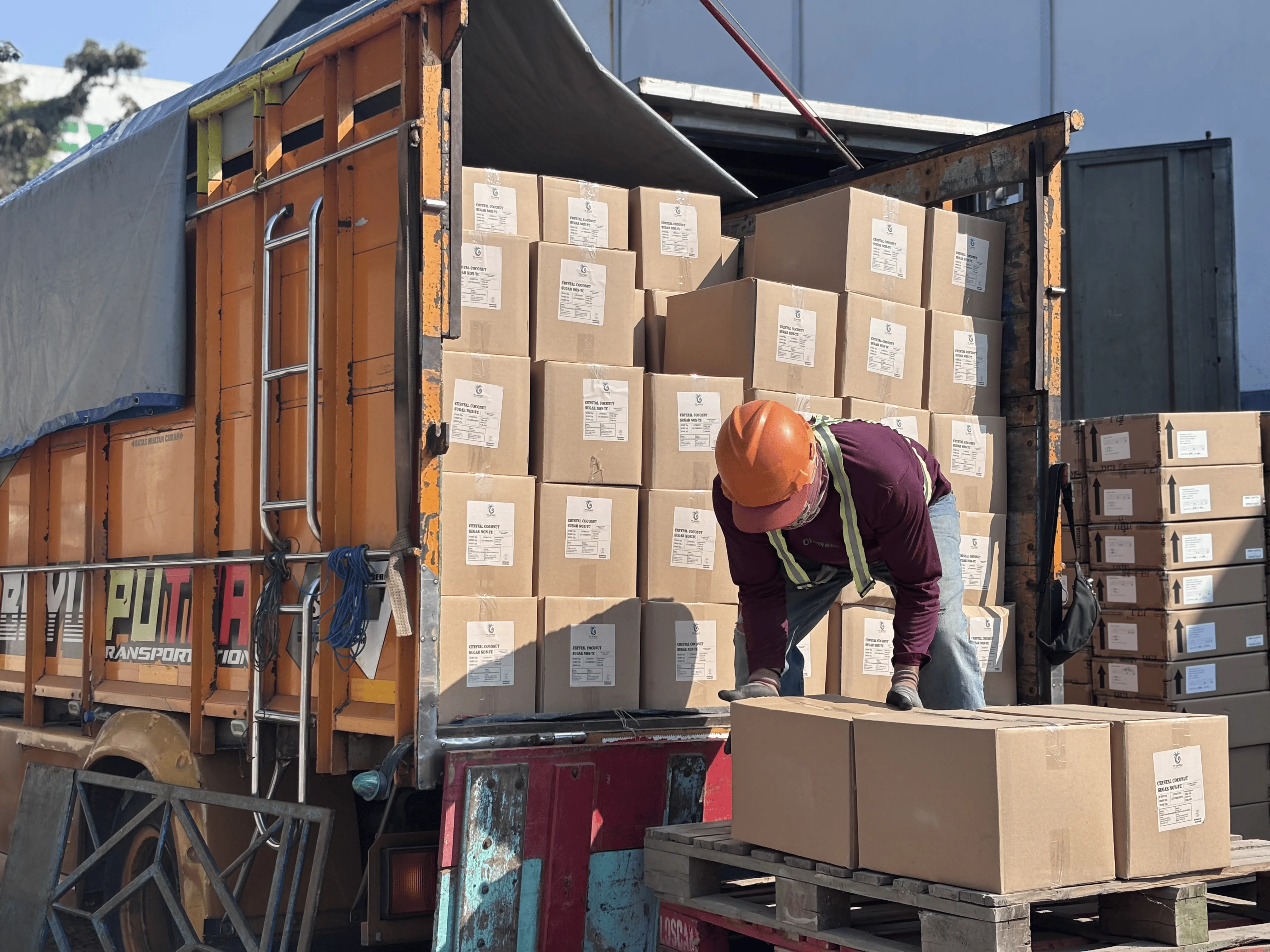
Javelo combines coconut sugar manufacturing with direct relationships across its sourcing network and a focus on traceability and quality control. Its production capabilities are designed to support B2B buyers looking for consistent coconut sugar supply and specifications suitable for international markets.
We produce both organic and natural coconut sugar. Our organic sugar can meet USDA Organic, EU Organic, Canada Organic, and Indonesia Organic requirements. Every batch from source to finished product is tracked by our Javelo360 system to make sure its quality by entering a batch code to check the production date and lab results.
Ready to find a reliable partner? Learn more about our coconut sugar manufacturing capabilities, or request a sample and tell us what you need.